

Explore Two Timeless Garden Philosophies and How to Bring Them Into Your Own Landscape
Gardens are more than decorative outdoor spaces - they are living reflections of culture, philosophy, and aesthetics. Among the most iconic garden traditions in the world are Chinese classical gardens and European formal or landscape gardens, each offering a unique approach to beauty, nature, and human expression.
Chinese Garden Design: Harmony with Nature and Spiritual Reflection
Rooted in Daoist and Buddhist philosophy, traditional Chinese gardens - especially those from the Ming and Qing dynasties - emphasize natural harmony, asymmetry, and emotional depth. These gardens are designed to feel like miniature natural landscapes, where every element serves a symbolic and sensory purpose.
- Winding stone paths lead visitors through changing scenes
- Rock formations mimic mountain ranges
- Water features reflect serenity and flow
- Trees and flowering plants are arranged to evoke poetic imagery
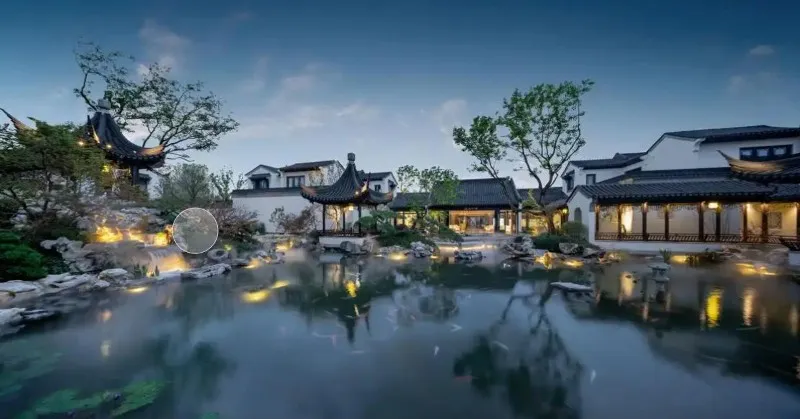
Chinese gardens are meant for quiet contemplation rather than display. They prioritize subtlety and emotional resonance over visual dominance.
European Garden Design: Structure, Order, and Grand Expression
In contrast, European garden traditions - particularly French formal gardens and English landscape gardens - highlight the human ability to shape and control nature. They are symbols of power, rationality, and cultivated beauty.
- French gardens (like Versailles) feature strict symmetry, axial design, and manicured hedges
- English gardens are more relaxed, with sweeping lawns, artificial lakes, and curated wildness
- Sculptures, fountains, and architectural features add grandeur and drama
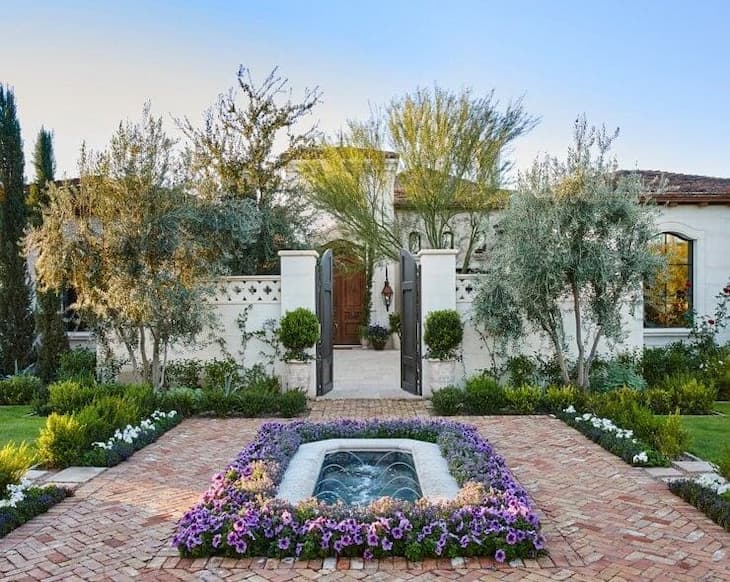
European gardens reflect human artistry and order, offering structured beauty at a large scale.
East vs. West: A Meaningful Contrast in Garden Philosophy
| Feature | Chinese Garden | European Garden |
|---|---|---|
| Philosophy | Natural harmony and reflection | Human control and geometry |
| Layout | Asymmetrical, poetic scenes | Symmetrical, structured design |
| Purpose | Spiritual and emotional engagement | Visual and architectural impact |
| Elements | Rocks, water, plants, pavilions | Lawns, fountains, hedges, statues |
Both styles offer timeless inspiration for gardeners today.
Tools to Help You Recreate Either Style at Home
To bring elements of either garden tradition into your personal landscape, you'll need high-quality gardening tools for shaping, planting, and maintaining your vision:
- Bypass Pruner: Precise trimming for shrubs, flowering plants, and topiary
- Hand Trowel: Ideal for transplanting, soil work, and planting in small spaces
- Long-Handled Spade: Perfect for edging pathways, digging planting beds, and root work


With reliable tools from trusted manufacturers like Rhino, your creativity can take root in either tradition.
Design Your Own Cultural Garden Experience
Whether you're drawn to the tranquil elegance of a Chinese garden or the majestic structure of a European estate, thoughtful design and proper tools are the key to success. Let cultural inspiration guide your layout - and let your tools do the shaping.
Create a garden that doesn't just look beautiful - create one that tells a story.